
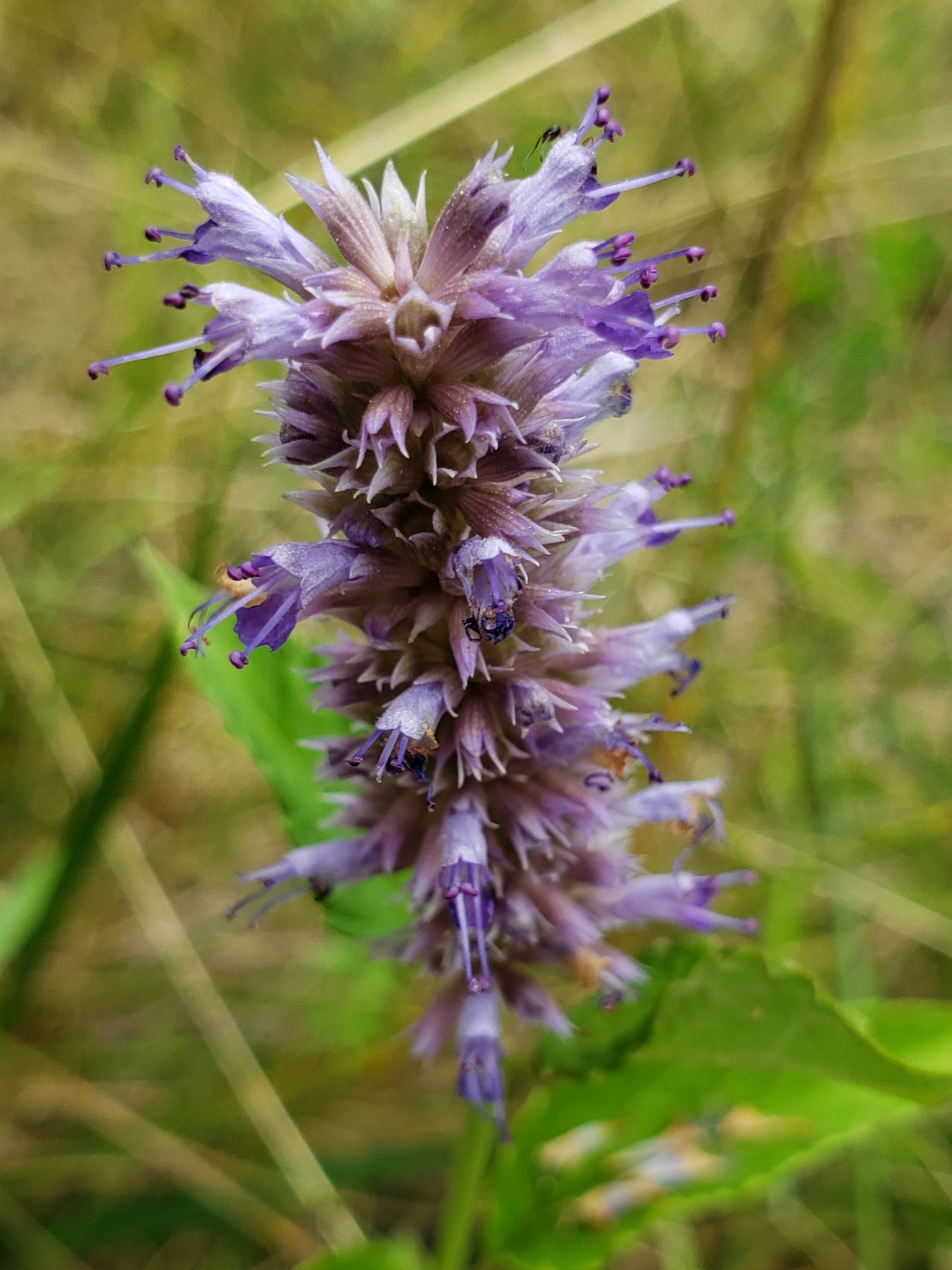
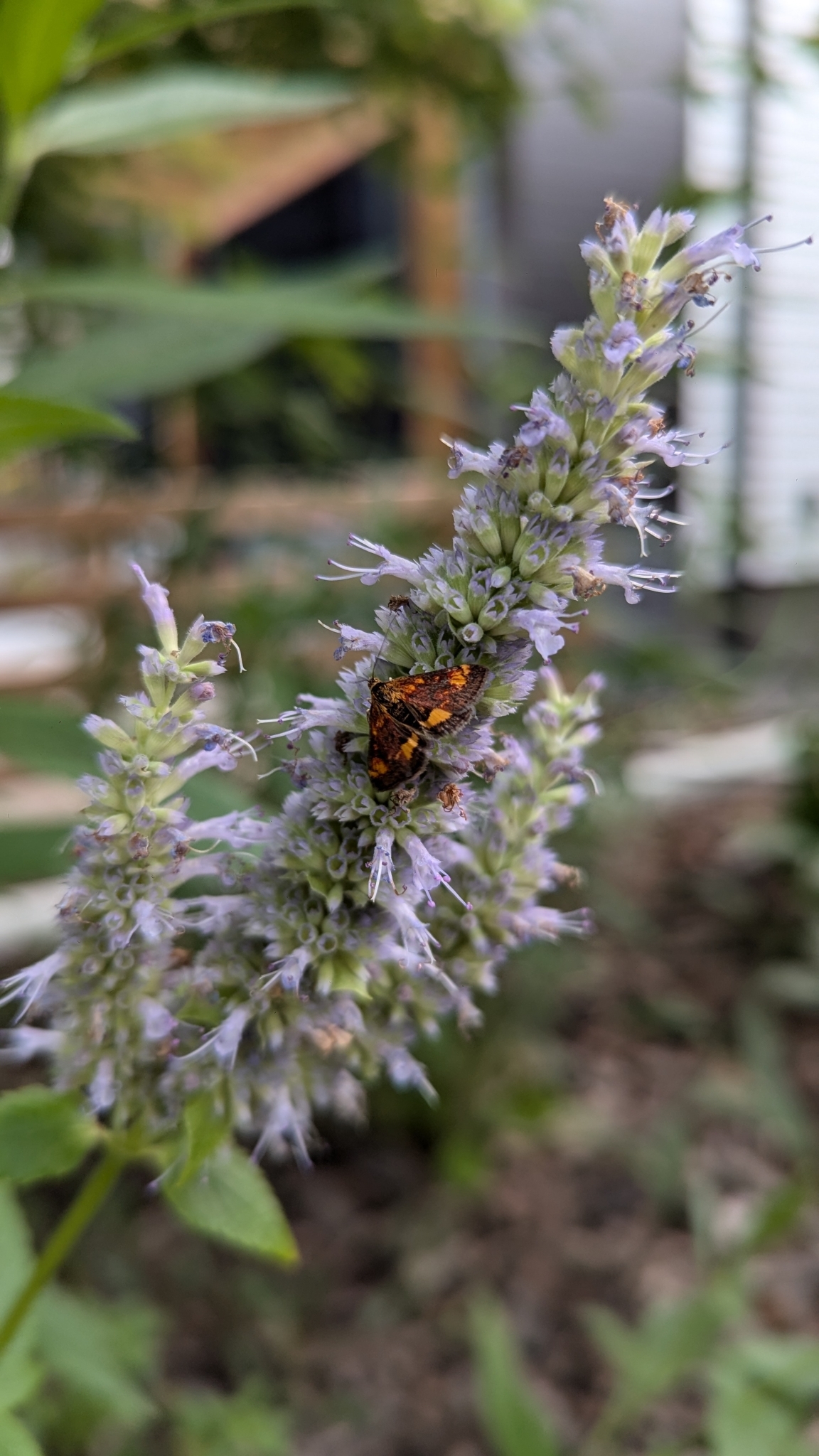
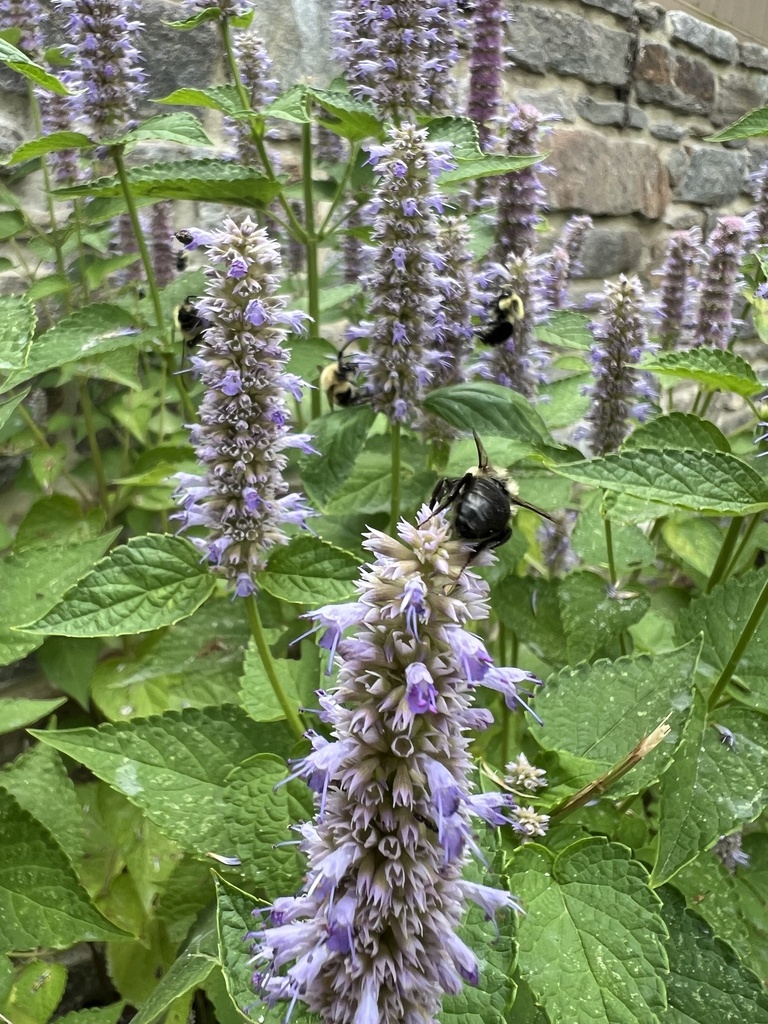
Native plants evolved in Lancaster County over thousands of years. They’re adapted to our local soil, weather, and seasons, which means they establish more easily and require less intervention once planted.
Many plants sold at big box stores are native to Europe or Asia. While they can be very attractive, they weren’t developed for local conditions and have little relationship to the ecosystems here.
Because native plants co-evolved with local ecosystems, they:
Yes – all of our plants are native to this region and are selected specifically for Lancaster County conditions. A few of them are nativars, which means they are native plants that were altered to have specific colors, more blooms, etc.
No, we do not use neonicotinoids or other insecticides that harm pollinators.
We primarily sell perennial plants, which come back year after year. Some plants are technically annuals, but they reseed, meaning they often return on their own without replanting.
You’re not alone—and it’s usually not a lack of skill.
The most important factor is right plant, right place. Matching plants to your sun exposure and soil moisture matters far more than watering schedules or special products.
Native plants also follow the “sleep, creep, leap” pattern:
Year 1 (Sleep): Plants focus on roots and may look quiet
Year 2 (Creep): Steady growth begins
Year 3 (Leap): Plants fill in and thrive
With patience and proper placement, native plants are often more forgiving than traditional garden plants once established.
As a general guideline, we recommend about 1 plant per square foot.
This spacing allows plants to fill in over time while minimizing weeds and bare soil. You can plant more densely for faster coverage, or more sparsely if you’re comfortable waiting for plants to mature.
Garden size is a general way for us to understand how much space your plants will have to grow so we can make better recommendations. These are guidelines based on our experience—some plants do better with lots of room, while others are happy in tighter spaces.
For reference:
Garden style describes the overall look and feel you prefer for your garden. Some customers have a very specific aesthetic in mind, while others are just getting started.
Selecting a garden style gives us a starting point to recommend plants that match the look you’re drawn to, whether that’s more structured and tidy or loose and natural.
A plant labeled as toxic means it may be harmful if ingested by humans or animals. It does not mean the plant is dangerous to touch or be near.
Some plants are toxic to animals but not to humans, and vice versa. If you have pets, children, or specific concerns, we recommend choosing plants accordingly and placing them thoughtfully in your garden.
At checkout, you can select from a list of available delivery dates. On your chosen date, we’ll deliver your order to the address you provide.
You don’t need to be home unless you prefer to be—we’ll leave your plants safely at the designated location.
We recommend planting within 3–4 days of delivery whenever possible.
Until you plant them:
When you preorder plants, you’re reserving them for the upcoming spring season. This guarantees availability before they sell out.
Between now and next spring, you can update or cancel your order at any time by emailing info@hickorytowngardens.com.
In early 2027, we’ll send a reminder of your order and ask you to select your delivery date.
Delivery through our website is currently limited to Lancaster County.
However, our pop-up sales are open to everyone. You can join our email list or follow us on Facebook to stay updated on upcoming sale dates and locations.

